

The Muse and the Clock: Rebranding SMP Engineering

.svg)
.svg)

.svg)
.svg)
When I interviewed for SMP in 2023, I asked our Executive Team a question I would spend three years answering, “What is your brand?”.
The organization, no different than any organization, was settling into a sort of deconstructed normalcy post covid. Some of the staff had changed, the market had changed, ultimately, the world was drastically different. The effects forced SMP, and much of the industry, to reconsider its identity. Leadership was asking the right questions, but the answers were often torn between the familiar and what felt like radical change. Two options continuously hung in the air when it came to marketing – standardize the brand or explore something new.
We initially moved to standardization and unification. Necessary. Brand fragmentation across visuals, messaging, and assets was weakening our impact. Our team was creating endless bottlenecks through excessive item-level discussions without established brand guidelines. We adopted our agency, and what started as an exercise in brand consistency and strategy, instead altered our core question: Not if, but when do we rebrand?
Beyond the Surface
A rebrand isn’t a facelift – it reflects a greater shift within an organization. Through our process of discovery, exploring our history, we witnessed an undisputed mismatch between who we were in this moment, who we wanted to show up as, and the brand we were working with. At its core, SMP is engineering for the future: building places and spaces that at times outlast firms and even the engineers responsible for designing them – ushering in new generations of community. Our designs are cutting edge, and our technological expertise pushes our teams, collaborators, and projects forward. These are givens. But by 2025, we found ourselves at an incontestable intersection. Our culture had significantly morphed, organically and intentionally, and our team required messaging that reflected SMP’s consistently future-focused approach. We made the choice to meet the moment.
Meeting the moment and accepting the moment are two very different things. The desire for newness, although slow at times, was available. But we were also leaning into the methodical and calculated, at times reserved nature of engineers. There was also a generational gap within the partnership; we had leaders who had recently entered partnership, eager for change, ready to leave their mark, and a seasoned generation who was at last relishing the legacy they tirelessly helped shape. We followed the hierarchical structure determined by generations of the past – decisions were made by a few key players and handed over to staff, but at times, they didn’t land. How did we find out? The hard way.
A Brand that Belongs
With a greenlit rebrand, we confidently shared our strategy and aspirations for the future of SMP. What followed was unexpected skepticism and, in some cases, oversimplified criticism from those with limited expertise in branding. We’d done the grunt work of researching our clients, competition, and people. What did we miss? Beneath the surface, a firm-wide desire to influence high level decision making, beyond function, had been building for years, perhaps decades, and the dam finally broke. It was unquestionable: to succeed in brand adoption, brand involvement was critical.
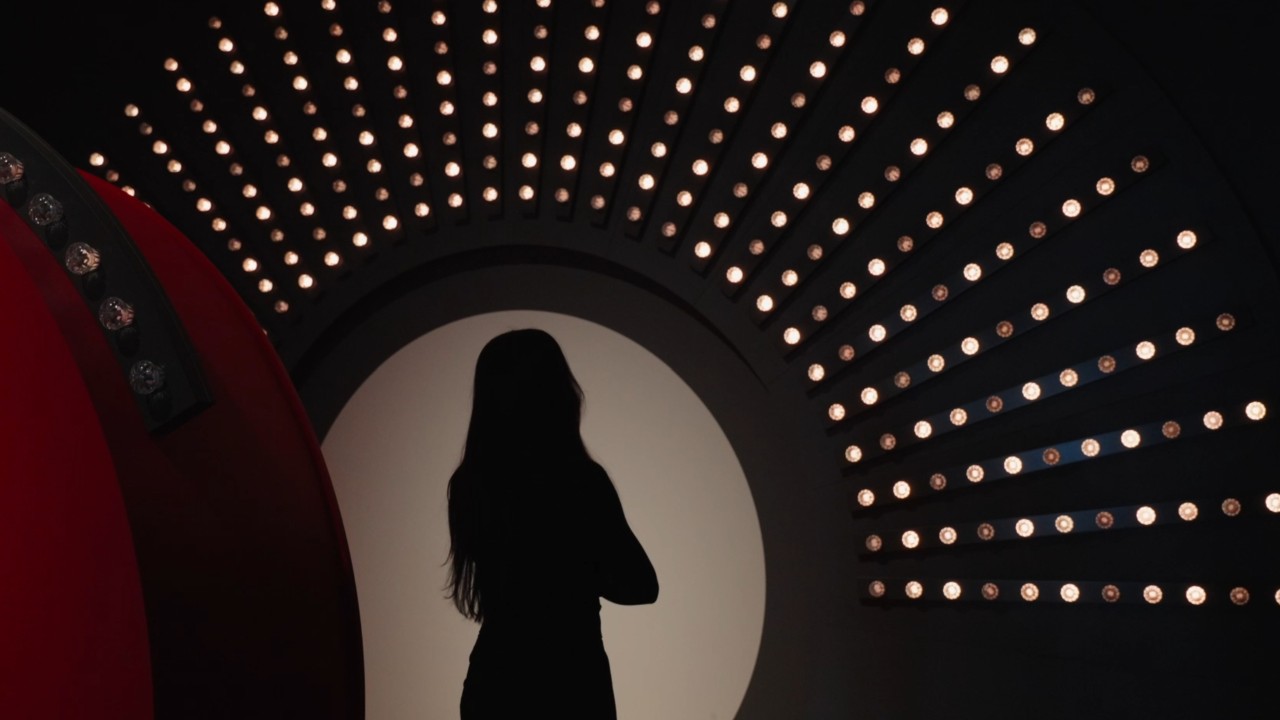
How do you convince a group whose success is reliant on black and white thinking to see colour, and the right colours. You get them to follow the light. The light is without ego and opinion. You carve out a brand rooted in logic, inspired by its people, undeniable in its purpose. We overcommunicated, we workshopped, and we collaborated on inspiration boards (a staggering 80 team members joined). We created committees and forces, and we led our staff into an internal rebrand that received such a resounding “yes”, it floored every one of us. The skepticism shifted to curiosity, which eventually moved to trust, then anticipation and excitement– finally expediting decision making.
Evolution Just Looks Easy
A few months ago, I asked one of our partners, “Why now, why rebrand?” and he said almost too quickly, “Well, nothing has really changed, it was organic”. My knee jerk reaction was that this seemingly “organic” process had likely taken a decade off my life. But in hindsight, the key to success is exactly that. It is a bit subversive, but an effective rebrand shouldn’t feel different, and although we had changed, the brand needed to feel like us – who we are now and who we will be tomorrow. There’s a grind, and a push, and countless encounters with both the muse and the clock. But if you release the work well, it lands as if it’s always belonged to those you created it for.
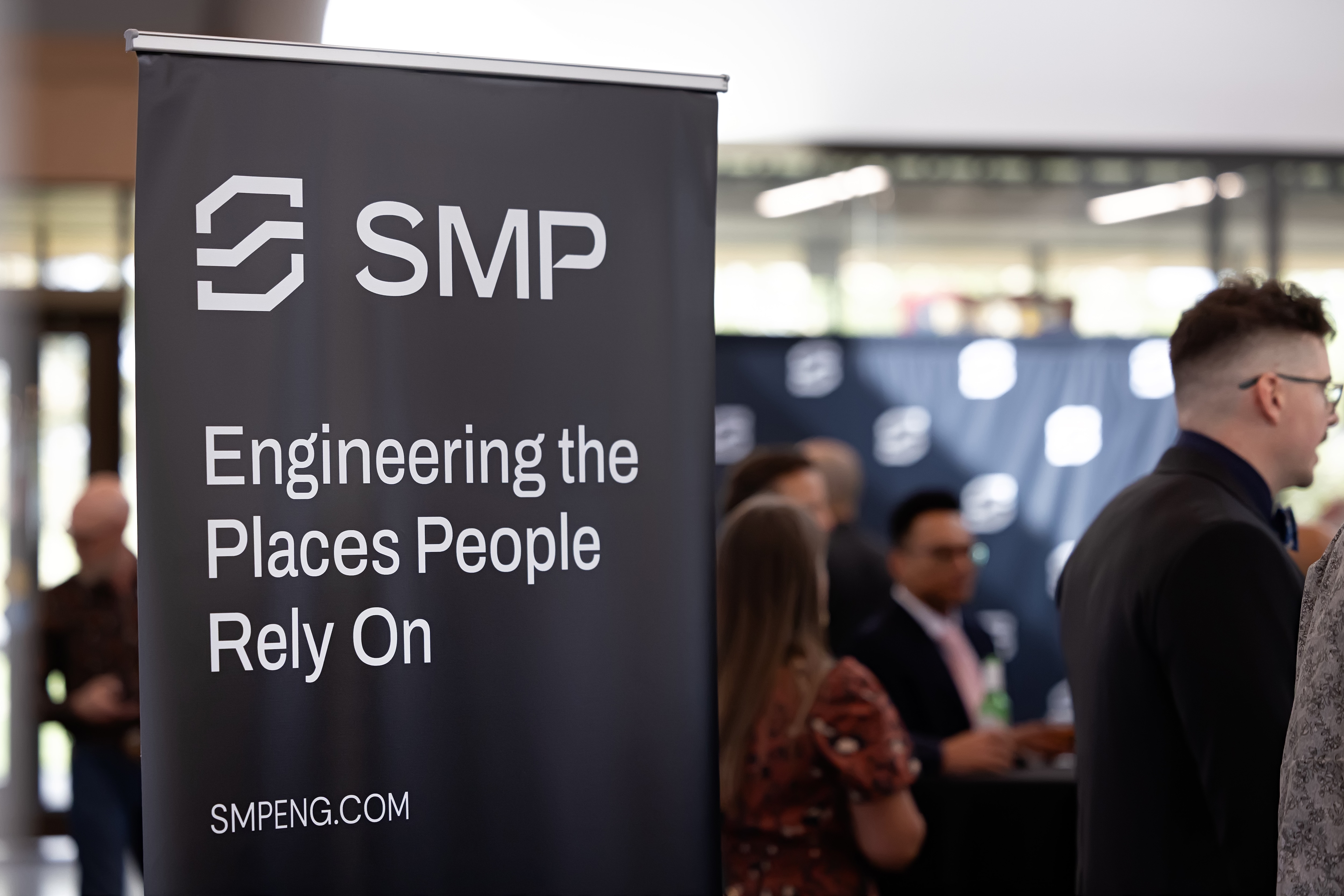
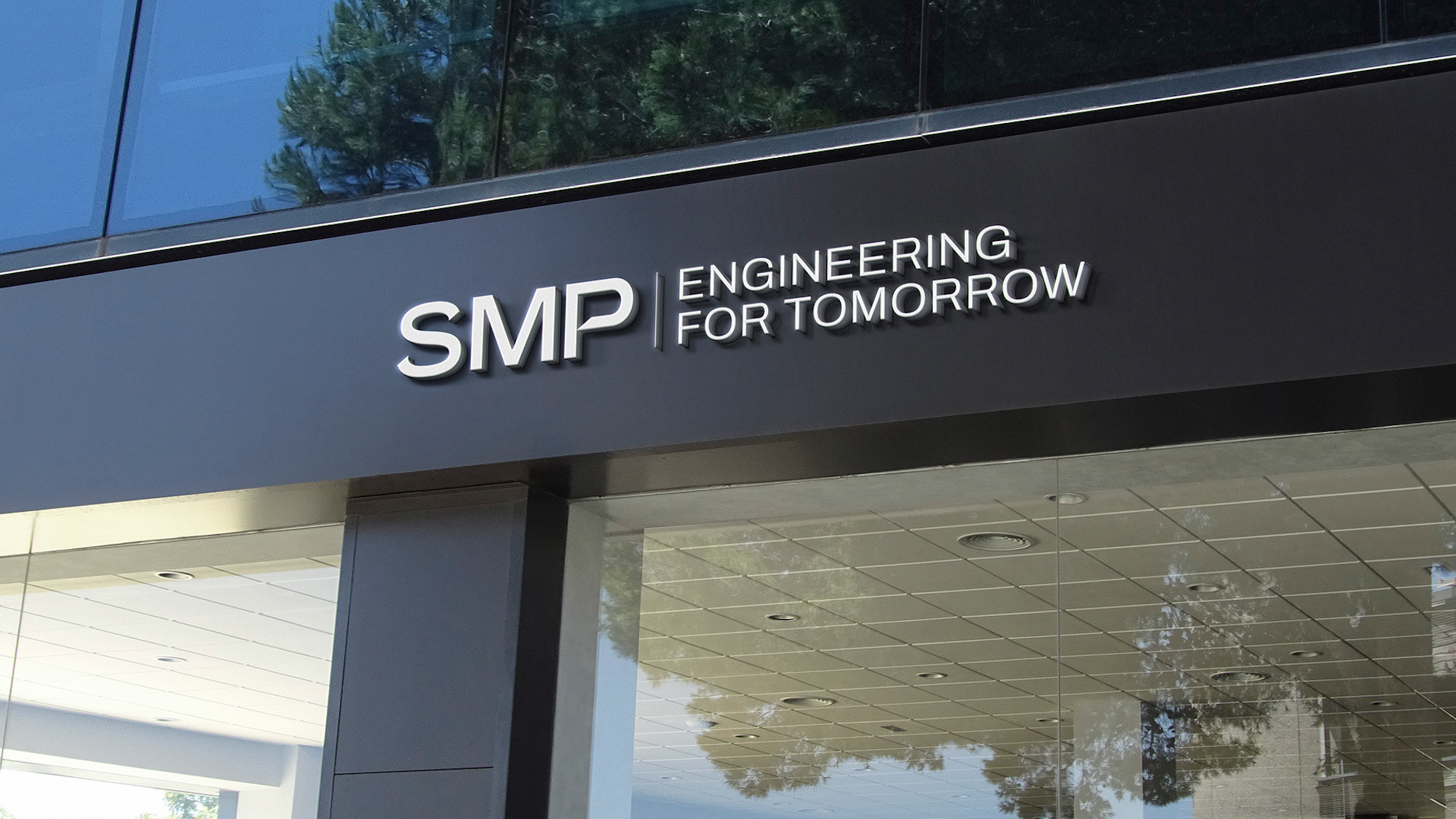
Virgil Abloh, former engineer, turned architect, turned branding icon, turned creative genius said, “You can be a disruptor, but it doesn't mean you're any good”. Engineers design the box, and as a creative, I often colour outside the lines, but I have been allowed the rope to challenge the status quo for the greater good. Change must be intentional, well timed, and effective in impact. Throughout our launch event, one question surfaced repeatedly: “What’s next?”. The answer is a transformation that feels organic and hurls us into the future we’re helping design. It was obvious to me then. And now, it will be obvious to others.
Original Post: https://www.linkedin.com/pulse/muse-clock-rebranding-smp-engineering-jaipreet-basi-sy2lc/
.jpeg)

Practice-based insights from across our team





Calgary, AB T2N 3P7
Edmonton, AB T5N 3K3
Lethbridge, AB T1J 4M1
Vancouver, BC V5Z 4C2
.svg)
.svg)
.svg)