

services
[6]
Design
Technology Systems
& Life Safety
Realizing a Vision Through Electrical Engineering
[1]
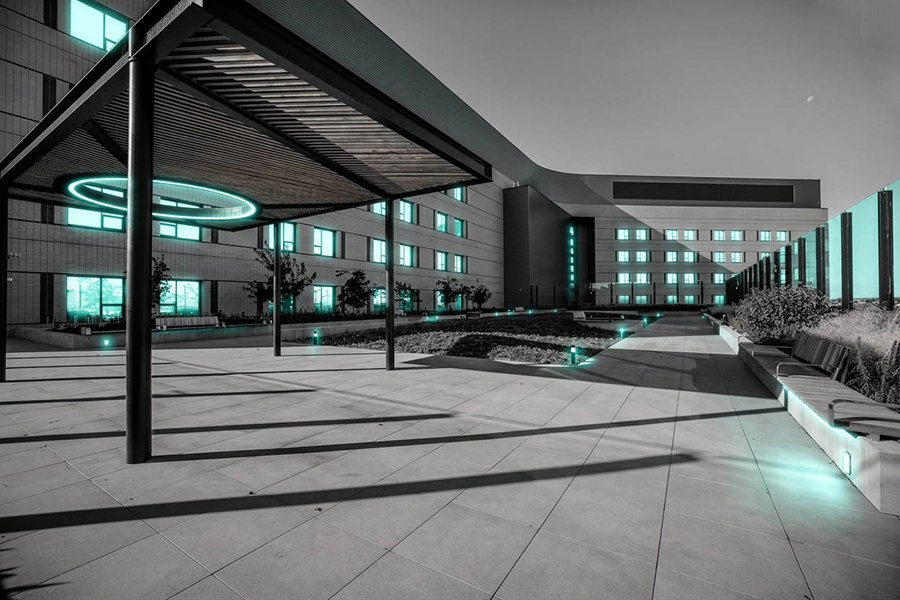


At SMP, we believe thoughtful electrical engineering should be invisible in operation, dependable in performance, and adaptable for the future.

.svg)
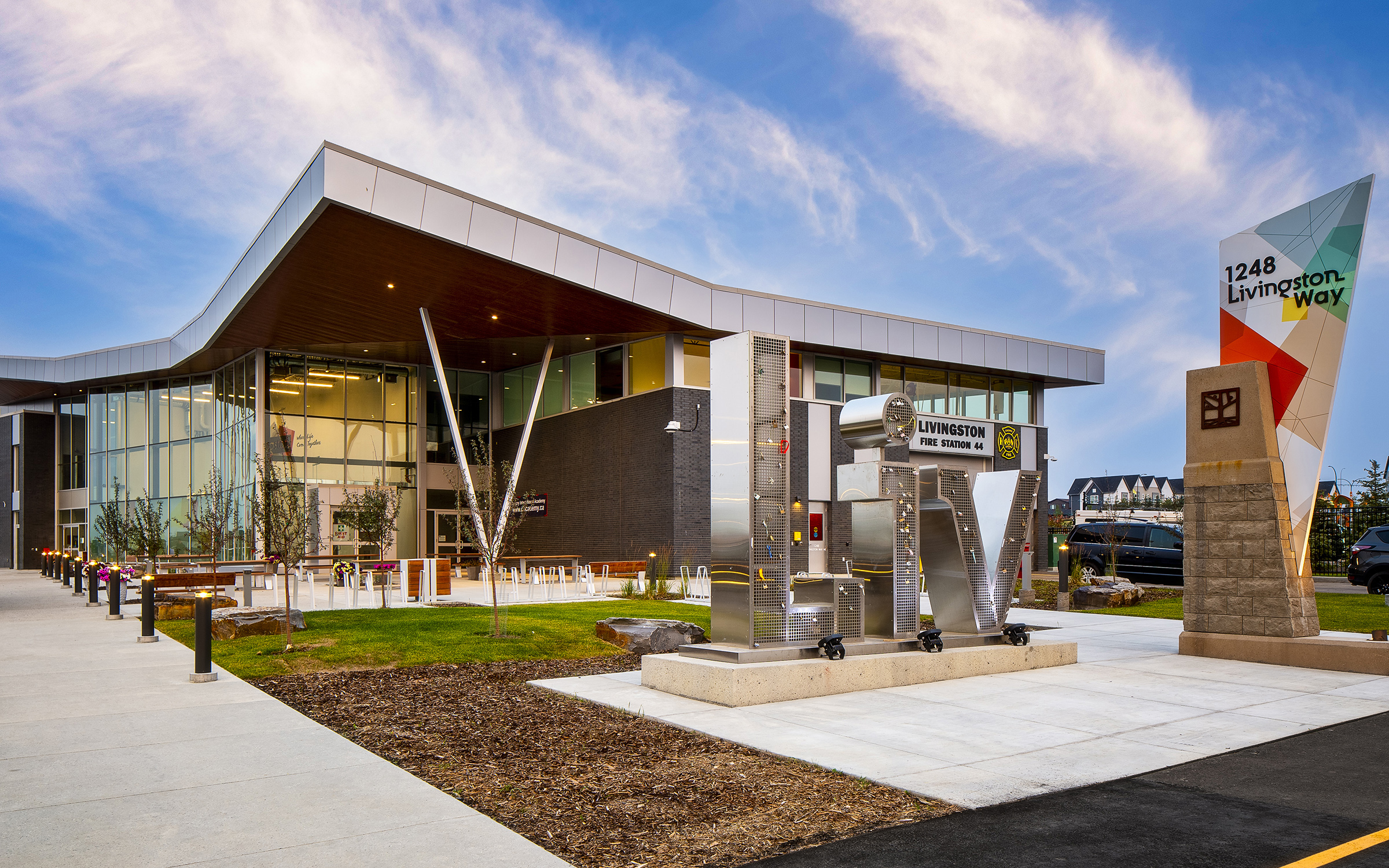


Designing Light with Purpose & Precision
[2]


Lighting Assessments & Retrofits

We evaluate existing lighting systems and develop retrofit strategies focused on energy savings, improved occupant outcomes, and return on investment. Our assessments identify opportunities to modernize aging infrastructure with current technology, improve light quality, and reduce operating costs. We provide clear recommendations with projected savings to support owner decision-making and capital planning.
Architectural Lighting Design
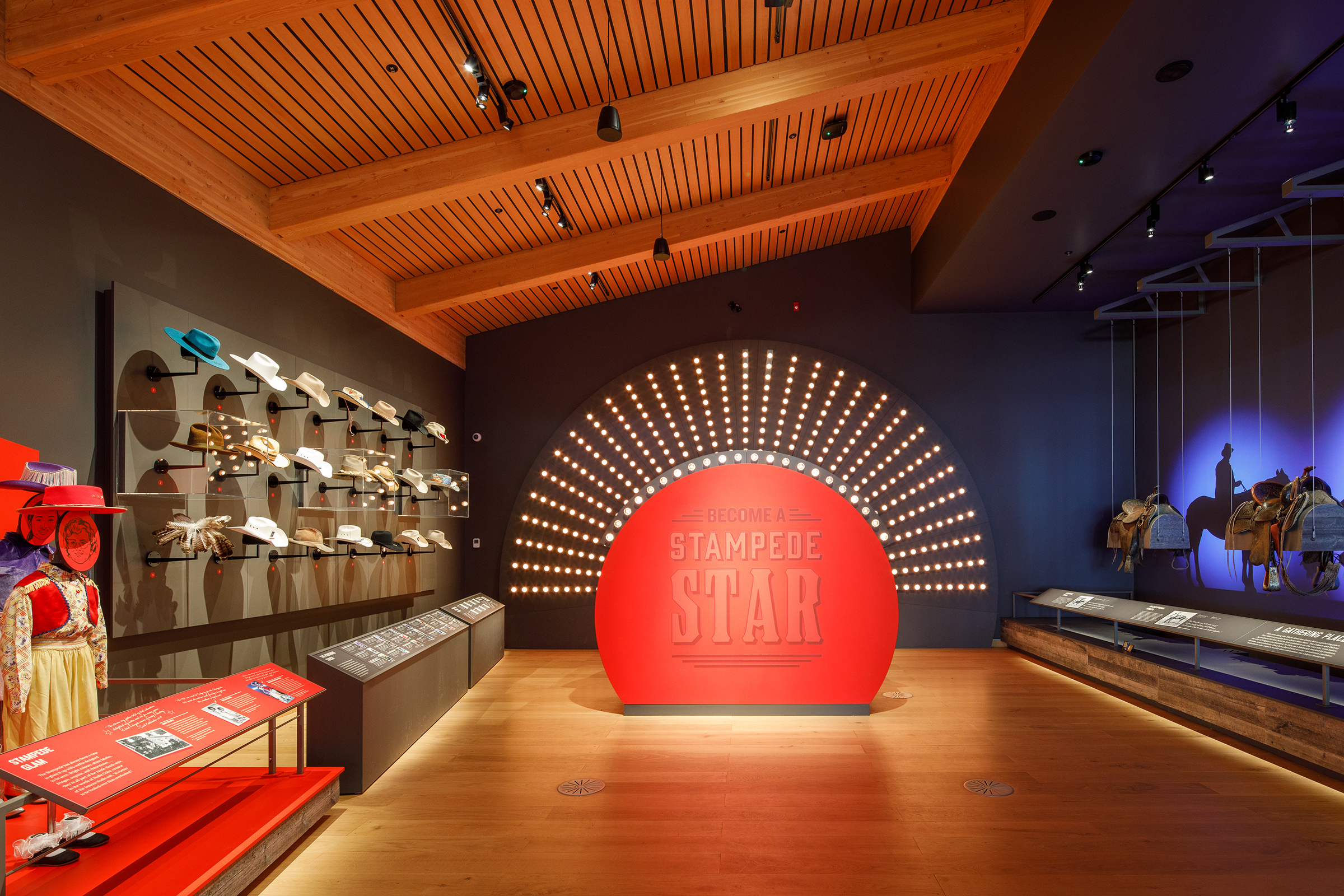
Our lighting studio develops concept-through-documentation lighting designs for interior and exterior environments. We use visualization and mock-ups to communicate design intent before construction, helping project teams and owners understand how light will shape the experience of a space. Each design balances aesthetic goals, energy performance, and occupant comfort to support the broader architectural vision.
Lighting Controls & Integration
We design lighting control systems that balance energy performance, code compliance, and ease of use. Our strategies address daylight harvesting, occupancy-based control, dimming, and integration with building automation systems. The result is a controls approach that reduces energy consumption while maintaining the flexibility occupants and facility managers need.
Exterior & Feature Lighting
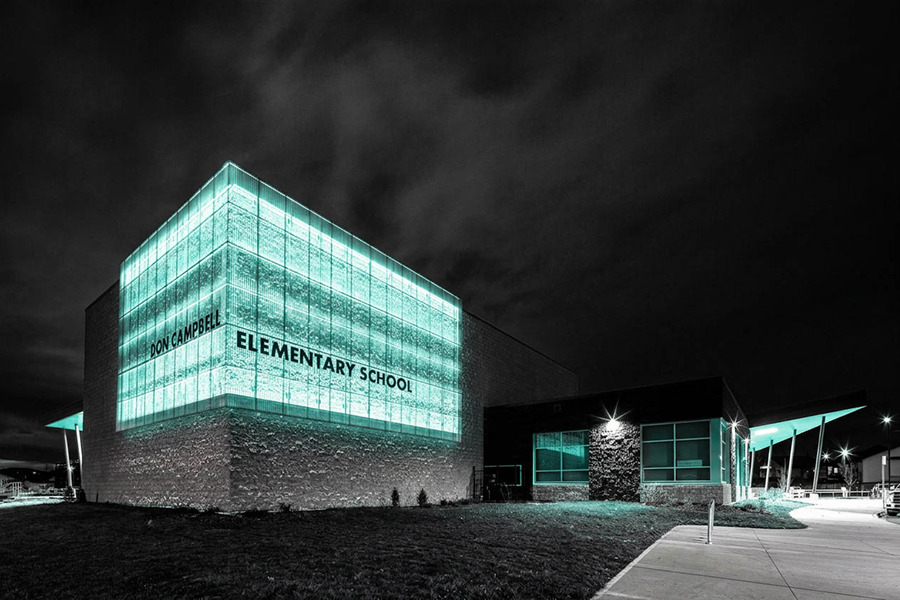
SMP designs exterior and feature lighting for landmarks, landscapes, facades, and public spaces. We extend the architectural narrative beyond the building envelope, using light to define identity, enhance safety, and create memorable experiences after dark. Our designs consider durability, maintenance access, light pollution, and energy efficiency alongside the creative ambition of each project.
Future-proofed Power & Electrical Distribution
[3]



Energy Storage & Backup Power
SMP designs battery energy storage and backup power systems that enhance building resilience and protect critical loads during outages. We evaluate storage technologies, size systems for operational requirements, and coordinate integration with the building's electrical distribution and emergency power infrastructure. Our designs support continuity of operations for healthcare, data, and mission-critical facilities.
Powering the Shift Toward Sustainable Operations
[4]

Electric Vehicle (EV) Infrastructure
SMP designs electric vehicle charging infrastructure for commercial, institutional, and multi-residential projects. We address load planning, circuit provisioning, and future expansion readiness to help owners deploy charging at scale without overloading existing electrical systems. Our designs accommodate current demand while preserving capacity for growth as EV adoption increases.
Zero Carbon & Decarbonization
We support projects pursuing zero carbon and decarbonization targets through demand reduction strategies, lighting system optimization, and onsite renewables integration. SMP provides technical guidance for Zero Carbon Building, LEED, and other certification frameworks, helping project teams quantify savings, document performance measures, and align electrical design decisions with measurable carbon reduction outcomes.
Photovoltaics (Solar PV)
SMP has designed over 10 MW of photovoltaic capacity across educational, community, and commercial facilities. We tailor each system for site-specific conditions, energy performance targets, and long-term value. Our designs address array layout, inverter selection, interconnection requirements, and coordination with the building's electrical distribution to maximize generation and return on investment.
Building the Digital Backbone of Modern Facilities
[5]


IT & Communications Infrastructure
We provide IT and communications system design and commissioning, including structured cabling, wireless systems, DAS, and signal processing infrastructure. Our RCDD-certified specialist works closely with client IT teams to design flexible, high-performance systems that adapt to changing needs.
Security & Access Control
SMP provides full security systems design and risk-based planning. Using industry-standard threat assessments, we work with clients to evaluate risk, design layered systems, and integrate passive strategies that minimize impact on users while improving safety. Our team collaborates closely with architects and engineers to support seamless, maintainable solutions.
DAS & Wireless Networks
We design distributed antenna systems (DAS) and in-building wireless networks to ensure reliable cellular coverage and emergency communications throughout a facility. Our designs address signal propagation, carrier coordination, and code-required first responder coverage, providing occupants and emergency services with consistent, dependable connectivity.
Advanced Life Safety Engineering & Code Coordination
[6]
Discuss your project requirements

.svg)



Calgary, AB T2N 3P7
Edmonton, AB T5N 3K3
Lethbridge, AB T1J 4M1
Vancouver, BC V5Z 4C2
.svg)
.svg)
.svg)